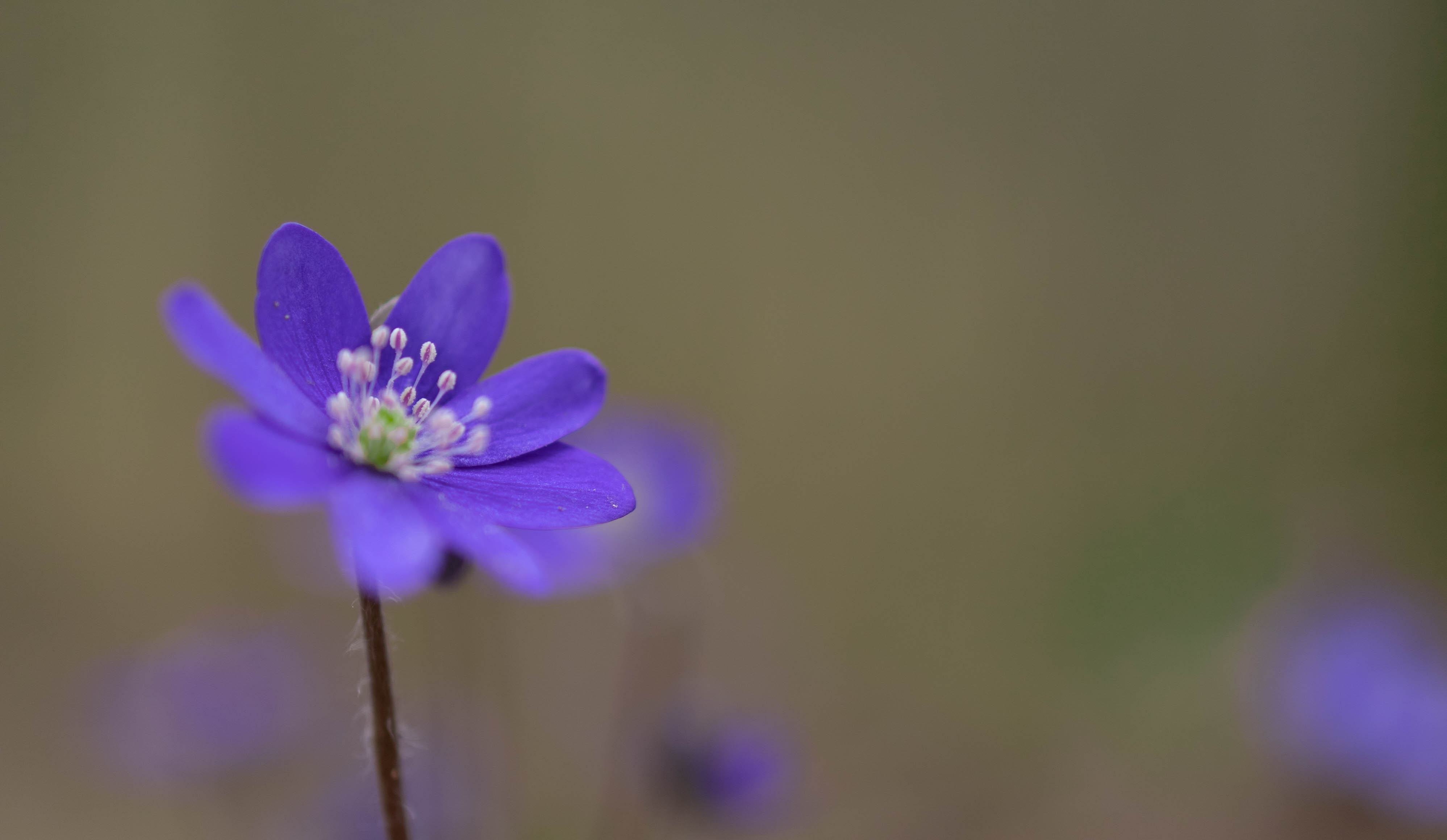
After a short holiday break, I'm back to my macro photography challenge, ready to tackle new obstacles and learn from them. Today's challenge? Getting the perfect focus on tiny details. Have you ever tried to take a picture of something so small and detailed that even the tiniest movement throws everything out of focus?
This is Day 2 of my 14-day macro photography challenge, where I'm exploring how aperture settings affect close-up photography.
Imagine this—you’re capturing the delicate texture of a flower or the fine design of a ring. The closer you get, the harder it becomes to keep your subject sharp. For me, it felt like solving a puzzle.
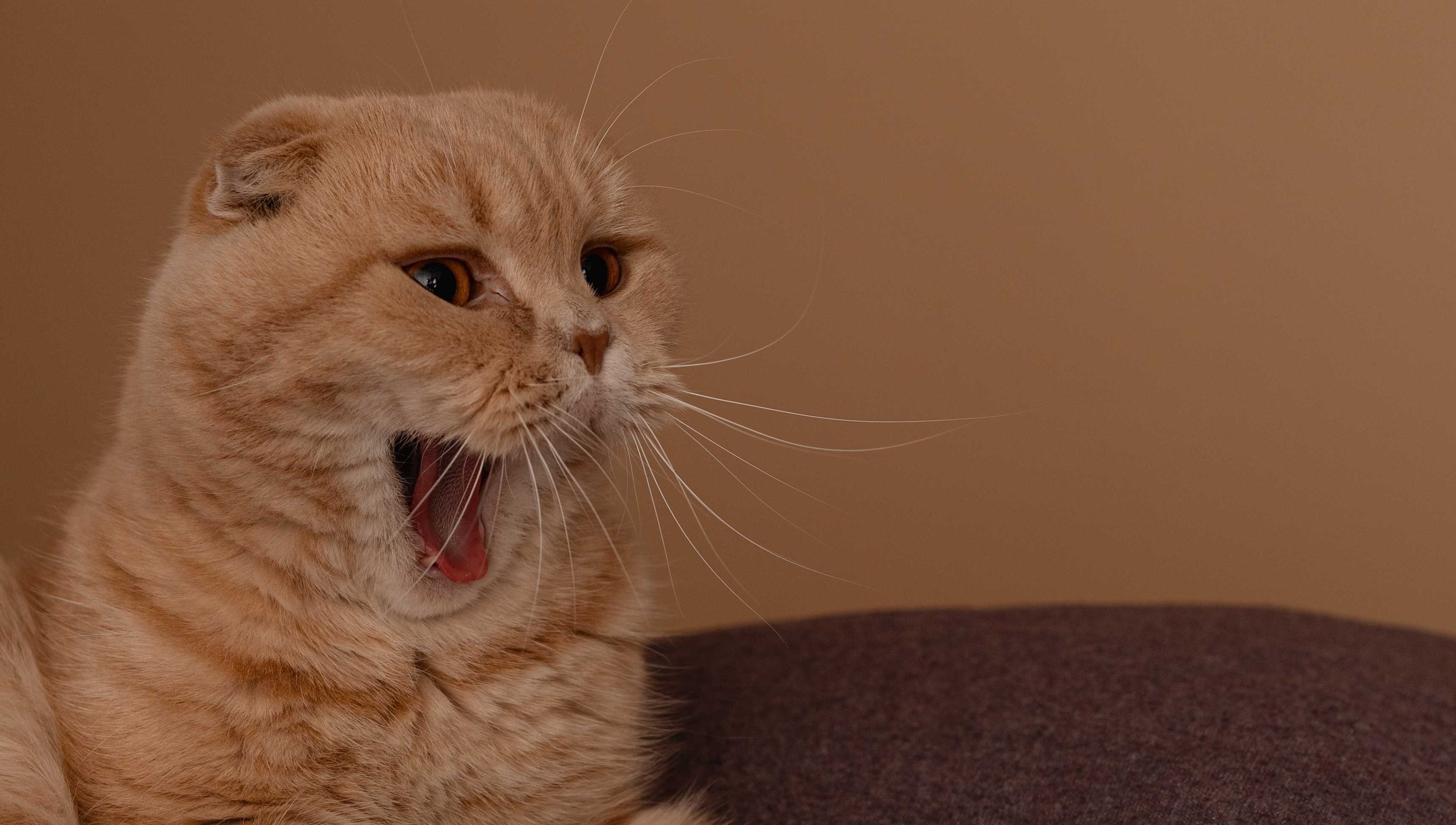
To make things more fun (and challenging), I decided to practice on my cat. I tried capturing the soft details of his nose and the depth of his eyes. But, as you might expect, cats have their plans — his curious nose twitched, her eyes blinked, and every movement brought new focus issues.
What I Learned About Focusing in Macro Photography
- Macro Focus is Different The closer you get to your subject, the shallower your depth of field becomes. Even at smaller apertures, only a tiny part of the subject might be in focus.
- Manual Focus is Key Autofocus can struggle with tiny objects, especially when they’re moving. Switching to manual focus gave me more control, though it takes practice.
- Stability is Crucial A tripod is essential for minimizing camera shake and maintaining focus on small details.
My thoughts: how to focus
While today's photos didn't turn out exactly as I hoped, they taught me an important lesson: focusing is an art. Also, I have an idea of how to focus on the tiny object. Tomorrow I'm going to try different focal points, and maybe merge photos into one, like the HDR approach.
Technical Setup for Cat Photography
Camera Settings Used:
- Mode: Aperture Priority (A/Av) for consistent depth control
- Aperture: f/2.8-f/4 for subject isolation while maintaining some depth
- ISO: Auto with 1600 max limit (Canon RP performs well up to this)
- Focus: Single-point AF, switched to manual when needed
Lessons from This Session:
What Worked
- Getting on their level: Shooting at cat's eye level created better engagement
- Using continuous AF: Better tracking when the cat moved slightly
- Higher ISO tolerance: Canon RP's noise performance allowed ISO 1000-1600
What Didn't Work
- Too wide aperture: f/1.8 made focus too critical - eyes sharp, nose blurry
- Autofocus hunting: Camera struggled with low contrast areas like dark fur
- No patience: Rushed shots resulted in motion blur
Equipment Insights
Using my Canon RP setup for macro work revealed interesting characteristics:
- 35mm f/1.8: Not a true macro lens but minimum focus distance allows nice close-ups
- Eye detection AF: Works surprisingly well for pets, though not perfect
- Silent mode: Essential for not startling animals
Next Steps in the Challenge
Tomorrow's focus: Focus stacking experiments. I plan to take multiple shots at different focus points and combine them for maximum sharpness. This technique could solve the shallow depth of field challenges I encountered today.
Following the challenge? Check out the complete macro challenge overview and learn from my photography journey where I document each step of skill development.